
Not all stainless steel is created equal. While many projects begin with general stainless specifications, certain environments demand a higher level of corrosion resistance and durability. That is where 316 stainless steel comes in.
Known for its enhanced performance in harsh and marine environments, 316 stainless steel is one of the most commonly specified stainless grades for commercial and industrial applications. In this guide, our team at Polished Metals is discussing 316 as a crucial stainless steel variety, exploring key properties, and answering: what is 316 stainless steel used for?
What Is 316 Stainless Steel?
316 stainless steel is an austenitic chromium-nickel stainless steel alloy that contains molybdenum for improved corrosion resistance. That addition of molybdenum is what sets it apart from other common grades and makes it particularly effective in environments exposed to moisture, chemicals, and salt.
Like other stainless steels, 316 contains chromium, which forms a protective oxide layer that resists rust and surface degradation. However, the molybdenum content significantly improves resistance to pitting and crevice corrosion, especially in chloride-rich environments such as coastal areas or industrial settings.
If you would like a broader overview of how different grades compare, you can reference our Types of Stainless Steel article.
Key 316 Stainless Steel Properties
Understanding 316 stainless steel properties helps explain why it is often chosen over other grades in demanding applications.
Some of the most important characteristics include:
- Excellent corrosion resistance, especially against chlorides and salt exposure
- High strength and durability
- Strong resistance to pitting and crevice corrosion
- Good formability and weldability
- Ability to achieve brushed, satin, or mirror-polished finishes
Because of these properties, 316 stainless steel performs well in both structural and decorative roles, particularly in environments where standard stainless steel may not offer sufficient protection.
What Is 316 Stainless Steel Used For?

So, what is 316 stainless steel used for in real-world applications? Its superior corrosion resistance makes it ideal for environments where moisture, chemicals, or salt are present.
Common uses include:
- Marine components and coastal architectural projects
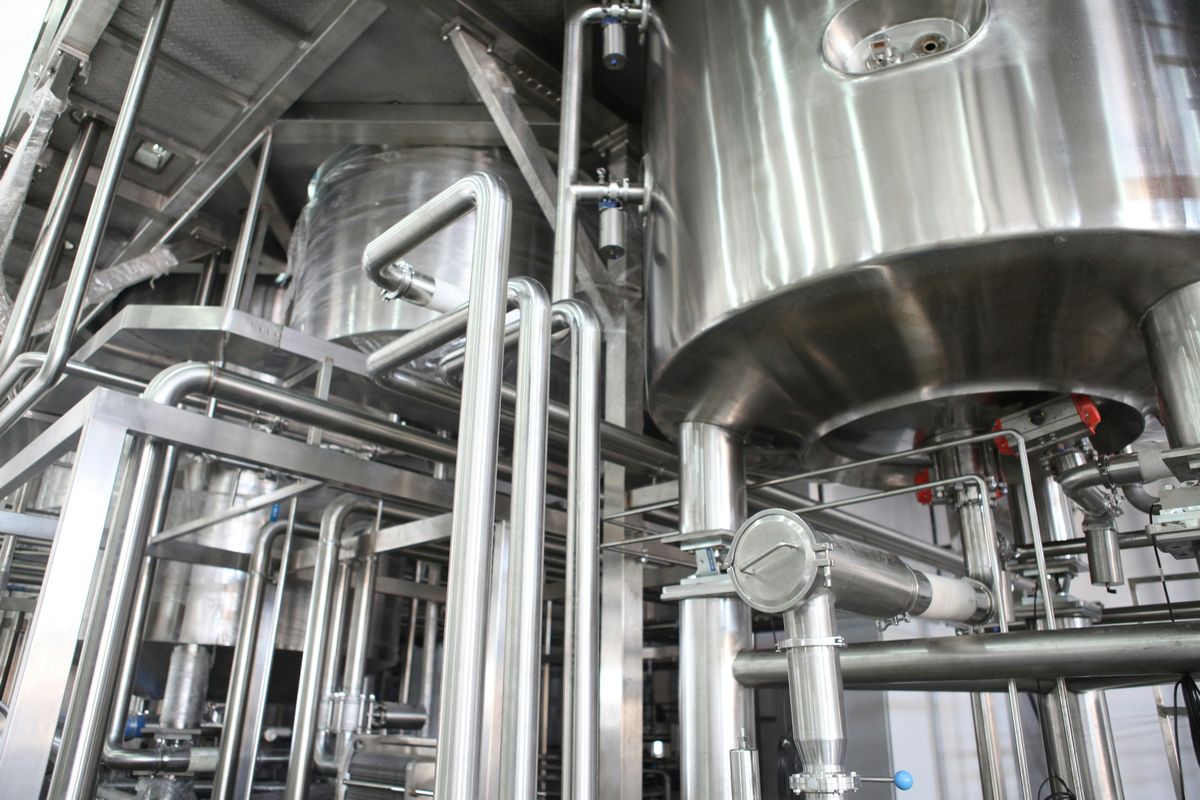
- Food processing and pharmaceutical equipment
- Chemical processing systems
- Exterior architectural cladding and trim
- Elevator and escalator interiors in high-humidity areas
- Commercial kitchen equipment
In architecture and interior design, 316 stainless steel is often specified for projects located near the ocean or in cities where environmental exposure can accelerate corrosion. Its durability helps maintain a clean, refined appearance over time.
316 Stainless Steel vs. 304 Stainless Steel
316 and 304 stainless steel are often compared since both are widely used in commercial construction and fabrication.
The primary difference between them is the addition of molybdenum in 316, which provides enhanced corrosion resistance. While 304 is highly versatile and suitable for most interior and standard exterior applications, 316 is typically selected when added protection is required.
For a detailed look at the most common stainless grade, you can read our blog on 304 stainless steel.
Choosing between 304 and 316 often depends on environmental exposure, budget considerations, and long-term performance expectations.
Stainless Steel Products and Finishing Options
316 stainless steel is available in many forms to support a wide range of projects. These include:
- Sheets and plates
- Tubing and pipe
- Bars, angles, and channels
- Custom fabricated components
At Polished Metals, we frequently finish stainless steel products for architectural and commercial applications. Whether the requirement calls for a subtle brushed surface or a highly reflective mirror polish, proper finishing enhances both performance and visual appeal.
Because 316 stainless steel is often used in visible architectural elements, consistent finishing quality is especially important.
Architectural and Commercial Applications of 316 Stainless Steel
One of the most common uses for 316 stainless steel is in commercial architecture, particularly in environments exposed to moisture or corrosive conditions.
Architects and designers rely on it for:
- Coastal building facades
- Lobby wall panels and column covers
- Handrails and balustrades
- Elevator interiors
- Decorative trim and structural accents
Its ability to maintain appearance in challenging environments makes it a dependable material for projects where longevity and aesthetics must go hand in hand.
Polished Metals: Expertise in Stainless Steel Finishing
Selecting the right stainless steel grade is only part of the equation. Finishing quality plays a critical role in how the material performs and appears over time.
At Polished Metals, we bring decades of experience working with stainless steel alloys, including 316. With a large inventory, advanced finishing equipment, and a 50,000 square foot facility, our team delivers consistent results for architectural, commercial, and industrial clients.
If you are considering 316 stainless steel for your next project and want guidance on materials, finishes, or fabrication considerations, reach out to Polished Metals to request a quote or speak with our team.