
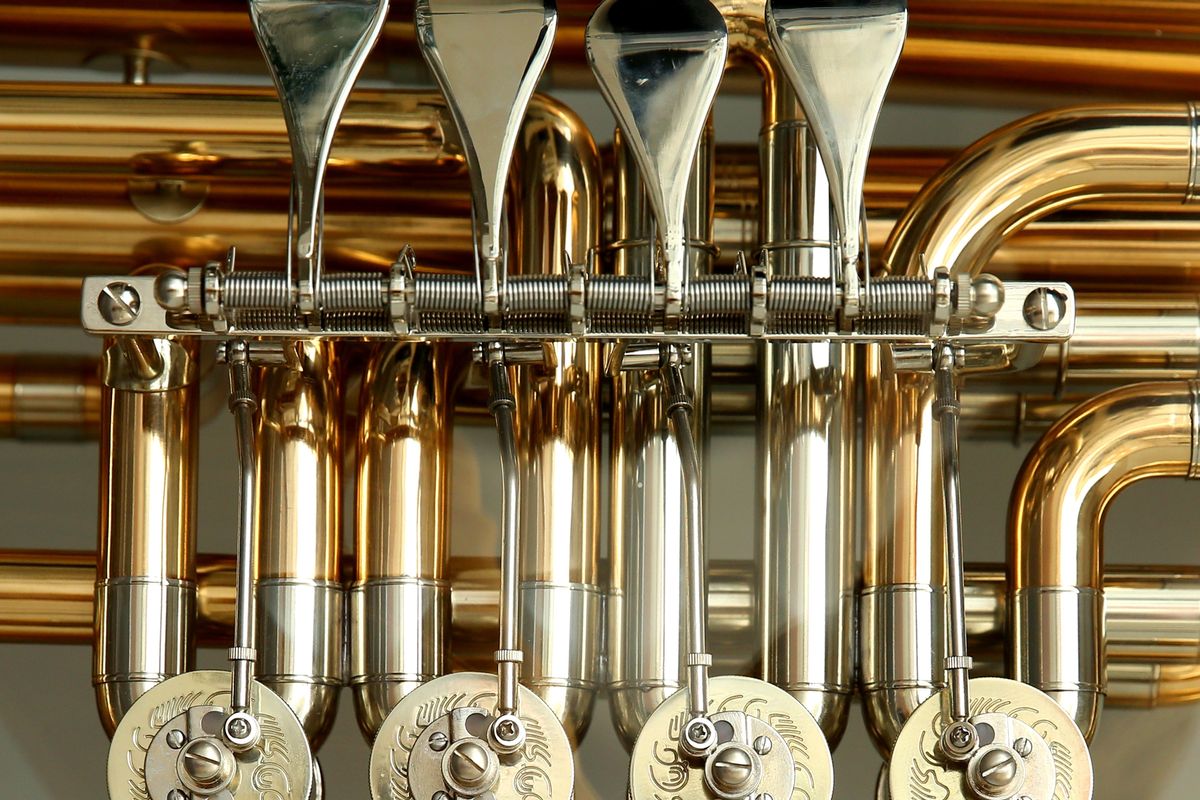
Brass has long been a popular material in architecture, interior design, and decorative applications because of its warm appearance and versatile performance. However, the final look and function of brass often depend heavily on the finish applied to its surface. Two of the most common options are brushed brass and polished brass.
When comparing brushed brass vs polished brass, the differences extend beyond appearance alone. Each finish creates unique visual characteristics, affects how the material interacts with light, and may make one option better suited than another depending on the application.
Below, the Polished Metals team is breaking down what brushed and polished brass are, their similarities and differences, and the environments where each finish performs best.
What Is Brushed Brass?
Brushed brass is brass that has undergone a finishing process that creates fine, visible linear strokes across the metal surface. These directional marks are produced using abrasive materials that create a textured finish while reducing reflectivity.
Although brushed brass still retains a soft sheen, it does not produce the highly reflective, mirror-like appearance associated with polished surfaces. Instead, the finish creates a more subtle and understated aesthetic.
The textured nature of brushed brass can also help minimize the visibility of fingerprints, smudges, and small surface scratches, making it a popular option for high-touch environments.
What Is Polished Brass?
Polished brass undergoes a finishing process designed to smooth and refine the metal surface until it develops a bright, reflective appearance. Depending on the desired result, polishing can create anything from a soft shine to a highly reflective mirror finish.
Because polished brass reflects light so effectively, it is often used to create visual impact in commercial and decorative spaces. Its classic gold-like appearance has made it a longstanding choice for architectural accents and statement elements.
Brushed Brass vs Polished Brass: Key Differences
While both finishes start with the same base metal, the finishing process creates several important differences.
| Feature | Brushed Brass | Polished Brass |
|---|---|---|
| Appearance | Textured with visible directional strokes | Smooth and highly reflective |
| Surface Sheen | Soft, muted shine | Bright, mirror-like shine |
| Fingerprint Visibility | Lower visibility of fingerprints and smudges | Higher visibility of fingerprints and smudges |
| Scratch Visibility | Helps conceal minor wear and surface scratches | Surface imperfections and scratches may be more noticeable |
| Overall Aesthetic | Subtle, contemporary, and understated | Bold, traditional, and visually striking |
These differences influence not only appearance but also how the material performs in everyday environments.
Similarities Between Brushed and Polished Brass 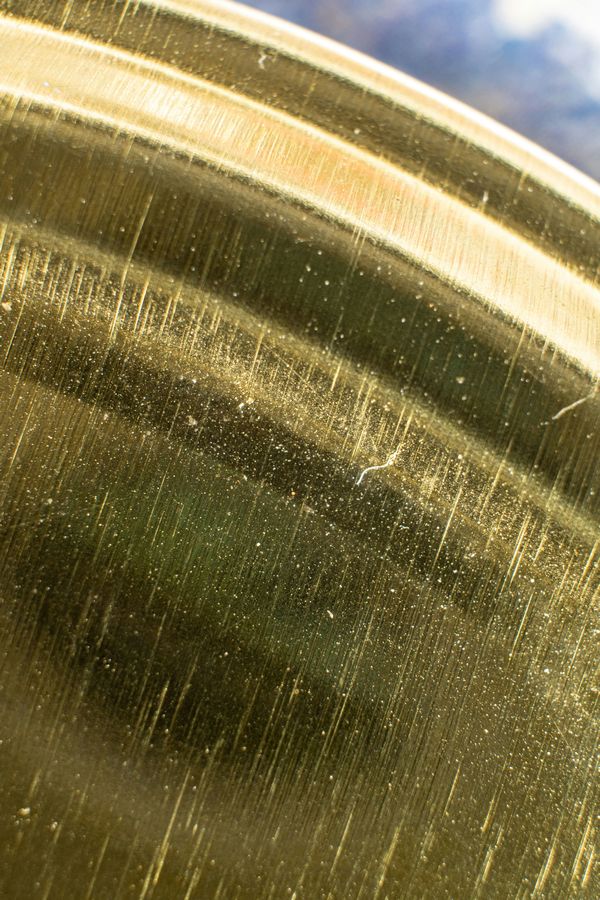
Despite their visual differences, brushed and polished brass share many of the same material advantages.
Both offer:
- Strong corrosion resistance
- Good durability and long-term performance
- Excellent workability and machinability
- Warm, distinctive brass coloration
- Compatibility with architectural and decorative applications
Both finishes can also be incorporated into commercial and interior projects where aesthetics and functionality matter equally.
Properties Created by Each Finish
The finishing process does more than change appearance. It can also affect how the material behaves in practical applications.
Brushed Brass Properties
Brushed brass creates a softer visual effect while adding subtle texture to the surface.
Key characteristics include:
- Reduced glare and reflection
- Less visible fingerprints and smudges
- Greater ability to hide minor scratches
- Contemporary, understated appearance
Because of these qualities, brushed brass often works well in high-traffic spaces where ongoing maintenance and wear are considerations.
Polished Brass Properties
Polished brass enhances the metal’s natural reflectivity and visual presence.
Key characteristics include:
- Bright, luxurious appearance
- Strong light reflection
- High visual impact
- Distinctive decorative appeal
Polished surfaces are often selected when the metal itself is intended to become a focal point within a space.
Common Uses for Brushed Brass
Brushed brass has become increasingly common in modern commercial and interior design applications where subtle elegance is preferred over high reflectivity.
Common uses include:
- Interior wall accents
- Handrails and balustrades
- Door hardware and handles
- Elevator interiors
- Lighting fixtures
- Commercial office spaces
- Hospitality environments
Its lower-maintenance appearance often makes it attractive for high-use areas.
Common Uses for Polished Brass
Polished brass is frequently selected for applications where visual impact and traditional luxury aesthetics are priorities.
Common uses include:
- Decorative trim and moldings
- Feature walls and architectural accents
- Hotel and lobby interiors
- Signage and ornamental components
- Luxury retail environments
- Decorative fixtures and hardware
Because of its reflective qualities, polished brass often becomes a prominent design element rather than a subtle background feature.
Choosing Between Brushed and Polished Brass
When deciding between brushed brass vs polished brass, the best choice often comes down to project goals and environment.
If a project calls for a softer, modern appearance with reduced visibility of wear, brushed brass may be the preferred option. If the goal is a brighter, more dramatic finish that creates visual impact, polished brass may be the better fit.
Both finishes offer the warmth and durability that make brass such a popular material, but the finish ultimately determines how the material contributes to the overall design.
Polished Metals: Expertise Across Brass Finishes
At Polished Metals, we work with a wide range of brass finishes to help architects, designers, and fabricators achieve the exact look and performance their projects require. From brushed textures to highly polished mirror finishes, our experience and advanced finishing capabilities allow us to deliver consistent results across projects of all sizes.
If you have questions about brass finishes or want guidance on selecting the right option for your application, reach out to Polished Metals today for a quote or to discuss your project needs.