

Many metal alloys have long histories tied to specific industries and innovations, and Muntz metal is no exception. Originally developed to solve challenges in marine applications, this brass alloy became widely known for its durability, affordability, and resistance to corrosion. Even today, Muntz continues to have practical uses across a variety of industries.
At Polished Metals, we regularly work with Muntz, processing high volumes of this alloy to exact specifications. So, what is Muntz metal exactly? Below, we take a closer look at its composition, where it came from, and the applications that made it important historically and continue to keep it relevant today
What Is Muntz Metal?
Muntz metal is a copper-zinc alloy containing approximately 60% copper and 40% zinc. It belongs to the brass family of alloys and is sometimes referred to as a type of alpha-beta brass because of its internal metallurgical structure.
Compared to pure copper, Muntz offers several advantages:
- Lower material cost
- Good corrosion resistance
- High strength and durability
- Excellent hot-working characteristics
- Good machinability and formability
The higher zinc content helps reduce cost while maintaining many of the desirable qualities associated with copper-based alloys.
The History of Muntz Metal
Muntz metal was developed during the early 19th century by George Frederick Muntz, an English businessman and industrial innovator. He patented the alloy in 1832 as a more economical alternative to copper sheathing used on ships.
At the time, copper sheets were commonly installed on ship hulls to prevent marine growth such as barnacles and algae from attaching to the surface. While copper worked effectively, it was expensive.
Muntz discovered that by increasing the zinc content and creating a modified brass alloy, he could produce a material with many similar protective benefits at a significantly lower cost.
As adoption increased, the material became widely known as Muntz metal or even simpy “Muntz,” taking its name directly from its creator.
Why Was Muntz Metal Created?
The original purpose behind Muntz metal was simple: provide a more affordable solution for maritime applications without sacrificing performance.
The alloy offered several benefits for ship construction:
- Reduced cost compared to pure copper
- Strong resistance to seawater corrosion
- Ability to discourage marine organism growth
- Easier manufacturing and large-scale production
During the 1800s, these advantages helped make the metal a common material for ship hull sheathing and other marine components.
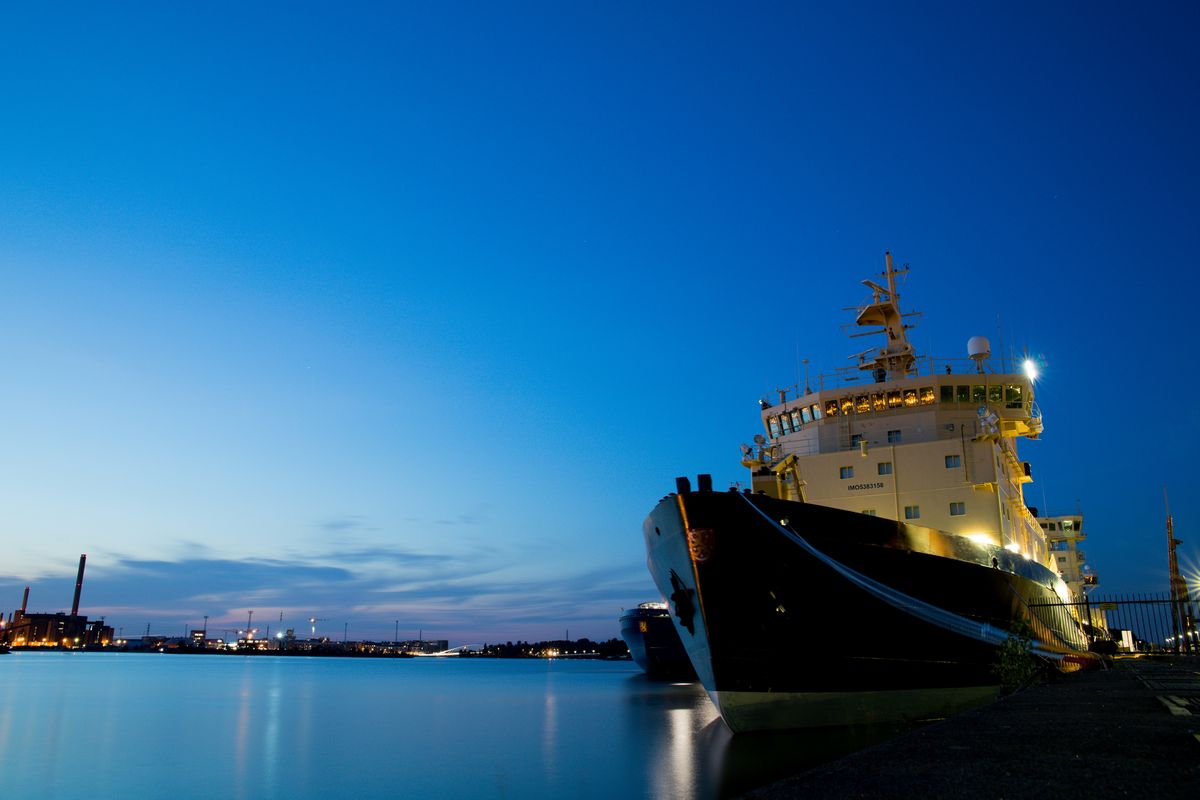
Historical Uses of Muntz
Muntz metal quickly expanded beyond marine applications and became useful in a variety of industrial settings.
Historically, common uses included:
Ship Hull Sheathing
Its most famous use involved covering wooden ship hulls to protect against marine growth and deterioration.
Marine Fasteners and Components
The alloy was frequently used for:
- Bolts and rivets
- Marine fittings
- Structural components
- Hardware exposed to seawater environments
- Decorative and Industrial Metalwork
Because Muntz could be formed and polished effectively, it was also used for architectural details and ornamental applications.
Modern Uses of Muntz Metal
While modern materials have replaced Muntz metal in some industries, it still maintains value in several applications today.
Architectural and Decorative Applications
Muntz metal’s warm brass appearance and ability to accept various finishes make it useful across many architectural projects, including components such as:
- Decorative trim
- Interior metal design elements
- Signage and plaques
- Architectural accents
- Hardware components
Many commercial projects use copper-based alloys like Muntz metal to create distinctive visual features with lasting performance.
Marine Applications
Its corrosion resistance continues to make Muntz metal useful in marine environments for:
- Fittings
- Hardware
- Specialized components exposed to moisture and saltwater
- Industrial Manufacturing
The metal is still used for certain fabricated components where a balance of strength, cost, and workability is important.
What Makes Muntz Metal Unique?
Muntz occupies an interesting place among copper alloys because it balances cost and performance effectively.
Some of its defining characteristics include:
- Higher zinc content than many brass alloys
- Strong corrosion resistance
- Warm gold-like appearance
- Good hot-forming properties
- Long history in marine engineering
These qualities helped establish its historical importance and continue to support niche applications today.
Polished Metals: Expertise Across Copper-Based Alloys
Whether a project calls for brass, bronze, copper, or specialty alloys like Muntz metal, selecting the right material is an important first step. Equally important is achieving the proper finish for appearance and performance.
At Polished Metals, we work with a broad range of metal products and finishing options for architectural, decorative, and commercial applications. With decades of industry experience and advanced finishing capabilities, our team helps customers achieve high-quality results tailored to their project goals.
If you want to learn more about Muntz metal products, finishes, or material options, reach out to Polished Metals today for additional information or a quote.