
Brass alloys come in many forms, each designed to balance appearance, strength, and performance for specific applications. Two of the most commonly discussed options are red brass and yellow brass; both are copper-zinc alloys, but with noticeably different characteristics.
If you’re comparing red brass vs yellow brass, understanding how their compositions affect color, durability, and use cases can help determine which material is best suited for a given application. At Polished Metals, we frequently help customers choose which metals will work best for their projects. Below, we break down the key differences between these brass types and explain how these alloys compare to bronze as well.
Red Brass vs. Yellow Brass: A Composition Overview
Both red brass and yellow brass are alloys of copper and zinc. The primary difference lies in the ratio of copper to zinc, which directly impacts appearance and performance.
- Red Brass typically contains around 85% copper and 15% zinc
- Yellow Brass typically contains 60–70% copper and 30–40% zinc
This higher copper content is what gives red brass its deeper, reddish hue, and also influences its corrosion resistance and workability.
Appearance: Warm Red Tones vs. Bright Gold
One of the most noticeable differences when comparing red brass vs yellow brass is their visual appearance.
Red Brass Appearance
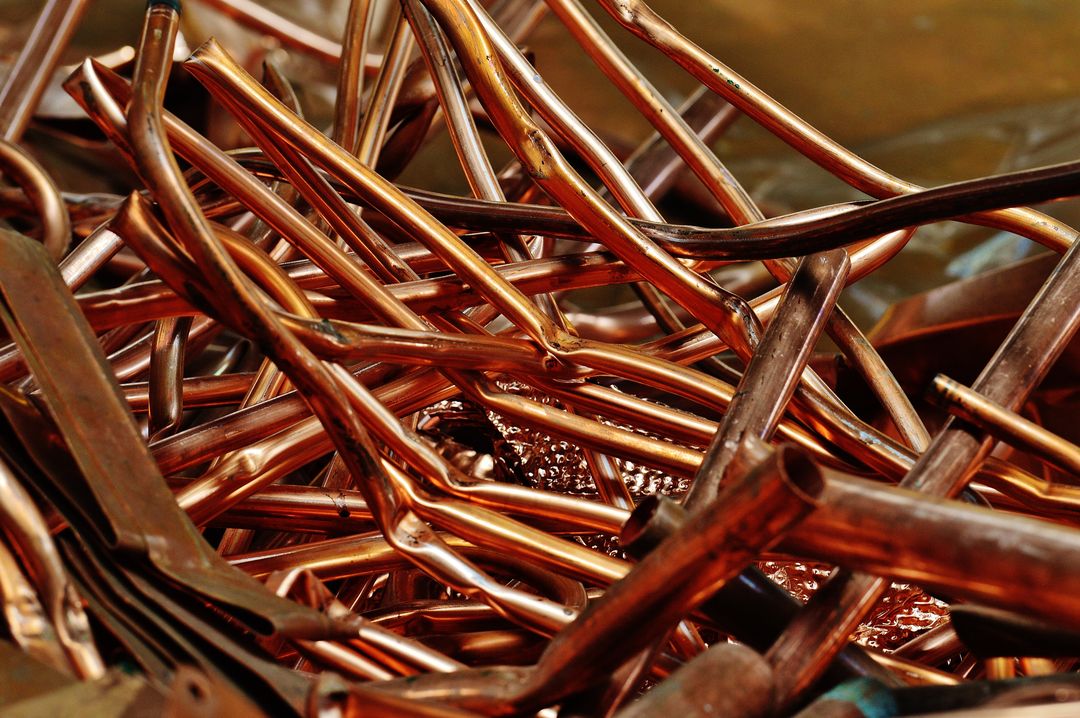
Red brass has a darker, richer color with reddish undertones that more closely resemble copper. Its subdued warmth gives it a traditional, understated look, making it well suited for functional components that may still be visible but are not intended to be highly reflective or decorative.
Yellow Brass Appearance
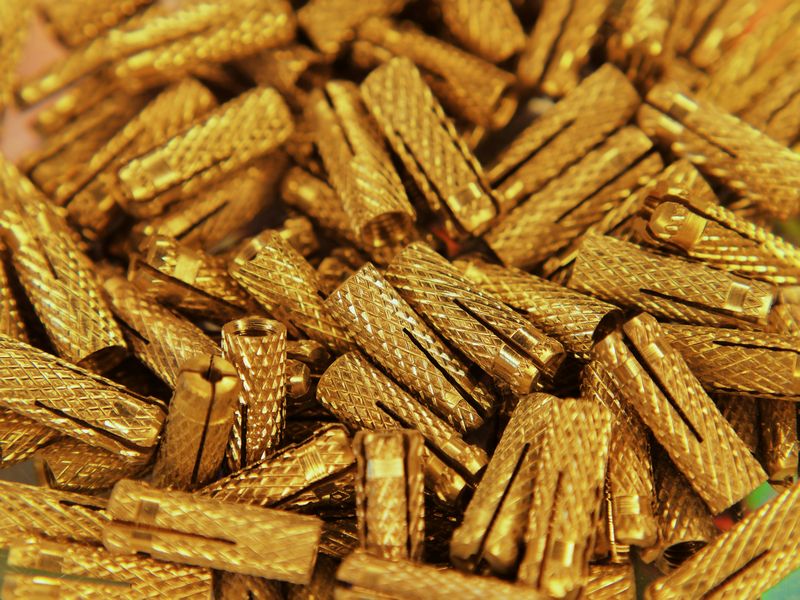
Yellow brass is known for its bright, gold-like color, which makes it a popular choice for architectural and decorative applications. It reflects light well and takes polish exceptionally nicely, making it ideal for high-visibility interior elements.
Material Properties and Performance Differences
Beyond appearance, red brass and yellow brass differ in how they perform in real-world applications.
Red Brass Characteristics
- Higher copper content improves corrosion resistance, especially in water-related applications
- Excellent durability and wear resistance
- Often used where longevity and reliability are more important than decorative finish
Yellow Brass Characteristics
- Easier to machine, form, and polish
- Strong and durable while remaining cost-effective
- Frequently selected for decorative and architectural uses
These differences explain why red brass tends to appear more often in industrial or plumbing environments, while yellow brass dominates interior and architectural design.
Red Brass vs. Bronze
Red brass is often mistaken for bronze, but they are not the same material.
- Red brass is a copper-zinc alloy with a high copper content
- True bronze is a copper-tin alloy, not a brass at all
To make things even more confusing, architectural bronze—commonly used in building applications—is actually a type of brass with zinc, not tin. While it’s called “bronze” due to its resemblance to true bronze, its composition aligns more closely with brass alloys.
Understanding these distinctions helps ensure the right material is selected for both performance and appearance.
Common Uses for Red Brass and Yellow Brass
Red Brass Applications
Red brass is commonly used in:
- Plumbing valves and fittings
- Pumps and mechanical components
- Marine and water-exposed hardware
- Industrial parts requiring corrosion resistance
Yellow Brass Applications
Yellow brass is frequently found in:
- Architectural trim and panels
- Interior design features
- Elevator and escalator finishes
- Decorative hardware and fixtures
- Furniture accents and signage
These use cases reflect the strengths of each alloy: red brass for durability and corrosion resistance, yellow brass for aesthetic versatility and finish quality.
Choosing the Right Brass Alloy for Your Project
When deciding between red brass vs yellow brass, the choice ultimately depends on:
- The desired appearance
- Exposure to moisture or corrosion
- Fabrication and finishing requirements
Whether the application is decorative, functional, or both
Both alloys offer unique benefits, and understanding their differences ensures the material selected aligns with the goals of the project.
Understanding Brass Alloys with Polished Metals
At Polished Metals, we work extensively with brass alloys used in architectural, interior, and commercial applications, especially those requiring high-quality finishing and consistent results. While not every project calls for the same alloy, understanding the nuances between materials like red brass and yellow brass helps designers, architects, and fabricators make informed decisions.
If you have questions about polished brass alloys, finishes, or material selection for your next project, our team is always happy to share insights based on our decades of experience in metal finishing.
Reach out today to learn more about the metals and finishes best suited for your project.