
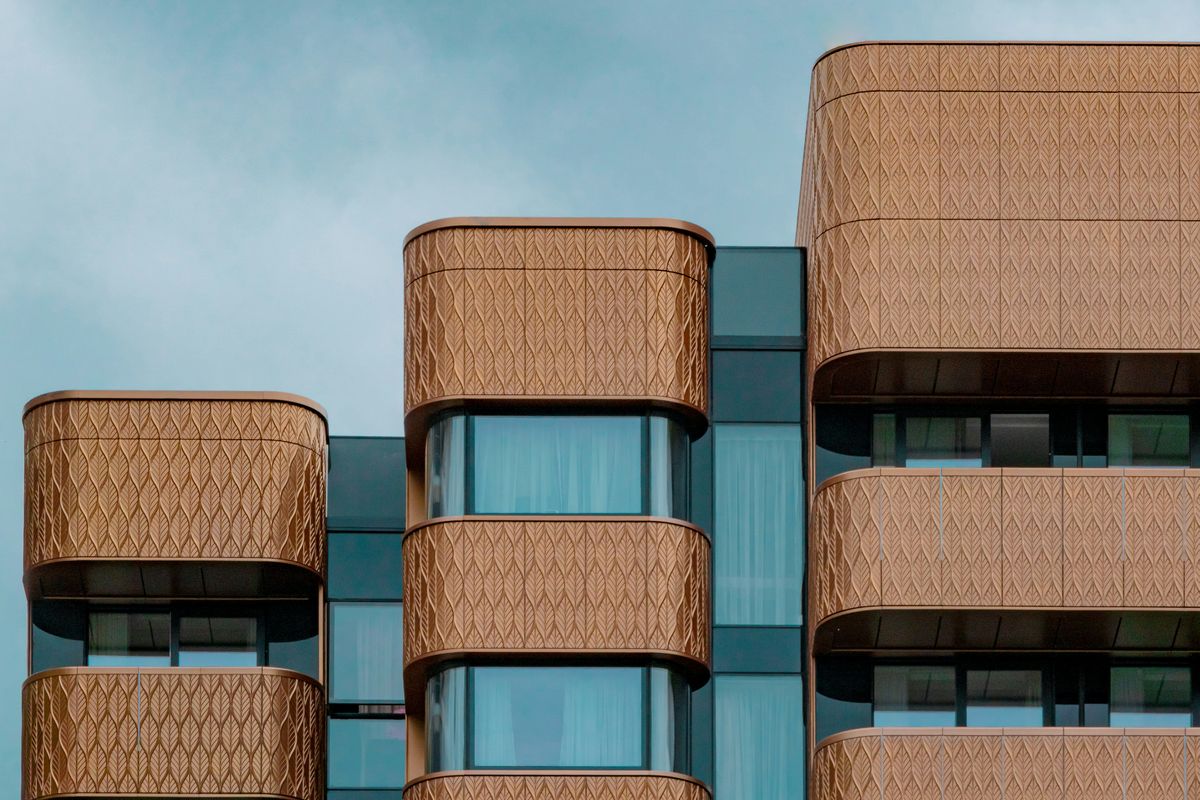
From historic monuments to modern commercial interiors, bronze has long played a significant role in shaping visual spaces. Its warm tones, rich texture, and lasting durability make it a material of choice for designers and architects seeking both functional and ornamental elements.
As global leaders in architectural metal finishing, our team at Polished Metals is sharing more on how bronze architecture and bronze interior design are used in contemporary projects. We’re exploring the specific types of bronze commonly specified and highlighting why this material continues to be valued across industries.
Bronze in Architecture: A Timeless Material
Bronze has a long legacy in building design, dating back around 5,000 years ago. Its unique visual appeal and material performance have made it a favored choice for façades, trim, hardware, and sculptural elements.
While other metals have emerged in the architecture and design space, bronze has always retained a place among metals commonly used in construction projects, as much for its aesthetic qualities as for its durability.
What Makes Bronze Ideal for Design Applications?
Bronze brings a blend of aesthetic warmth, durability, and patina potential that distinguishes it from other metals like stainless steel or aluminum. Some of the qualities that make bronze particularly suitable for architecture and interior design include:
- Rich, warm coloration that complements a wide range of materials
- Natural patina development, which adds depth and character over time
- Excellent corrosion resistance, especially in exterior environments
- High workability, allowing for intricate shapes and detailing
- Strong visual contrast with glass, stone, wood, and other metals
These characteristics allow bronze to serve both as a decorative highlight and a functional component in design, bridging the practical and the artistic.
Common Types of Bronze Used in Architecture and Interiors
Not all bronze alloys are the same. Different compositions offer varied performance characteristics, and some are better suited for specific applications.
Architectural Bronze
Technically a form of brass (and most formally known as C385 brass), architectural bronze is a zinc-bearing copper alloy that is highly favored in the architectural industry. This metal and its variants are engineered to provide the warm aesthetic of bronze while retaining excellent machinability and finishing qualities. These products are commonly used for:
- Wall panels and column covers
- Door and window trim
- Decorative inlays
- Handrails and balustrades
Commercial Bronze
Commercial bronze is a copper alloy composed of 90% copper and 10% zinc and commonly polished for uses across a range of industries. Commercial bronze varieties are selected for applications where corrosion resistance and mechanical strength are priorities. These are frequently used in environments exposed to moisture or where durability is essential.
Silicon Bronze
Silicon bronze is a copper-silicon alloy (often with zinc or tin) prized for its resistance to corrosion, especially in marine or coastal applications. This metal is often used for exterior architectural features and sculptural elements that must endure harsh environmental exposure.
Silicon bronze variants can be finished to a high polish, brushed, or patinated to meet design intent while maintaining long-term performance.
Applications of Bronze in Architecture
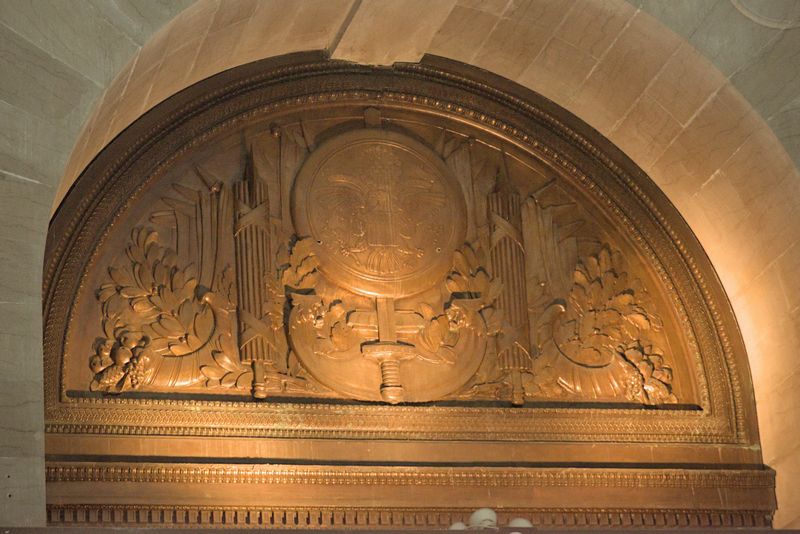
Exterior Architectural Features
In façade and exterior detailing, bronze brings both durability and visual impact. It is often used for:
- Cladding panels
- Column wraps
- Exterior trim and accents
- Entry canopies and soffits
Because bronze weathers over time, it develops a natural patina that many architects embrace as a design element.
Fenestration and Hardware
Bronze continues to be a top choice for architectural hardware due to its strength and wear resistance. Common uses include:
- Door handles and pulls
- Thresholds and kick plates
- Window frames and mullions
- Hinges and locksets
Its tactile warmth and aesthetic richness elevate functional elements into design features.
Bronze Interior Design: Combining Form and Function
Lobby and Communal Spaces
In interior design, bronze is often employed to create striking, elegant surfaces that enhance the perception of space. Designers use it for:
- Wall panels and column cladding
- Ceiling accents and trim
- Reception desks and feature walls
Its reflective qualities and warm color make it ideal for hospitality, corporate, and cultural interiors.
Fixtures and Decorative Elements
Bronze adds a signature touch to interior elements such as:
- Lighting fixtures and sconces
- Furniture accents and bases
- Art frames and decorative panels
- Custom metalwork and signage
Because it can be polished, brushed, or patinated, bronze integrates well with diverse design schemes from classic to contemporary.
Why Bronze Remains a Go-To Material for Design Professionals
Architects and interior designers continue to specify bronze because it delivers both performance and visual appeal. Its ability to age gracefully, develop character through patina, and maintain strength in high-use areas makes it a material that both designers and building owners value.
Whether used for a feature wall in a corporate lobby or a sculptural façade element, bronze contributes to spaces that feel refined, intentional, and timeless.
Polished Metals: Helping Bring Bronze Design to Life
The right material can elevate a design, but the right finish makes it exceptional. At Polished Metals, we work with a broad range of bronze and bronze-like alloys used in architectural and interior design. With decades of experience and a fully equipped finishing facility, we help designers, fabricators, and architects achieve the exact look and performance they need.
If you are considering bronze for a project and want expert guidance on alloys, finishes, or capabilities, reach out to our team today to start the conversation or request a quote.